
Layering Guide: How to Dress for Cold Weather
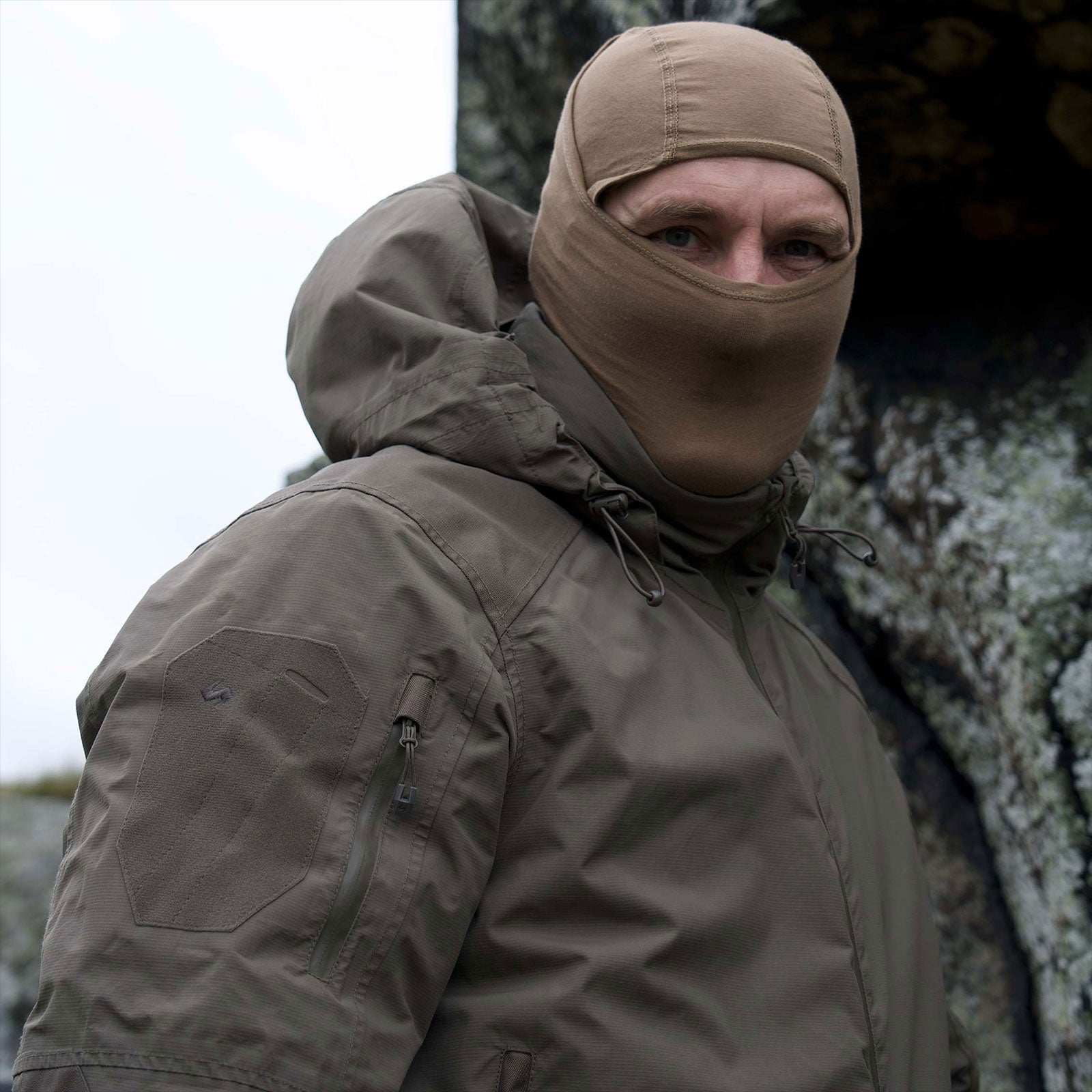
Layering Guide: How to Dress for Cold and Inclement Weather
Cold weather protection works best as a system. One heavy layer can trap warmth, but it gives you less control when conditions shift. A proper layering setup lets you manage comfort, movement, warmth and weather protection without overloading your kit.
For cold and inclement conditions, the STOIRM system can be built around three key layers: a STOIRM tee, the STOIRM Thermal PrimaLoft® Jacket, and the STOIRM PrimaLoft® Cold Weather Jacket.

Start With the Base Layer
Your base layer sits closest to the skin. Its job is simple: provide comfort, reduce friction and create a clean foundation for the layers above.
The STOIRM Heavyweight Cotton T-Shirt is made from 100% cotton with a regular fit for movement and long-lasting comfort. It gives you a durable everyday base for lower-output use, travel, urban carry and general cold weather wear.
In cold conditions, the base layer should not be bulky. It should sit cleanly under your insulation so the rest of the system can move properly.

Add Thermal Insulation
The mid layer is where warmth starts to build.
The STOIRM Thermal PrimaLoft® Jacket uses PrimaLoft® I-2001 60gsm insulation for warmth, with knitted stretch panels designed to support movement. It is lightweight, compressible and packable, making it useful as an active insulation layer or as a carried backup when conditions are uncertain.
This layer helps trap body heat without adding unnecessary bulk. The fixed insulated hood gives added coverage when wind or temperature drops, while the stretch areas help maintain mobility during field work, travel or everyday use.
Wear it over the tee when the temperature falls. Keep it close enough to retain warmth, but not so tight that it restricts movement or compresses the insulation.

Finish With the Weather Barrier
The outer layer protects the full system from wind, rain and harsher cold.
Both the STOIRM PrimaLoft® Cold Weather Jacket or Mission Jacket are built with Ripstop Nylon Taslon, a bonded membrane, PrimaLoft® insulation and Cordura® reinforcement panels. It is waterproof, highly breathable and uses fully taped seams for protection in poor weather.
Its 10,000mm Hydrostatic Head waterproof rating and 10,000g/m²/24hr breathability rating support use in cold, wet and demanding conditions. Waterproof zips, a waterproof two-way front zipper, storm guard and chin guard help reduce exposure when the weather turns.
This is the protective shell and insulation layer for the system. It sits over the tee and thermal layer to retain warmth while shielding against rain, wind and cold.
Why Layering Works
Layering gives you control.
If you are static, add insulation. If you are moving hard, vent or remove a layer before you overheat. If rain or wind builds, keep the weather barrier in place. The aim is not to wear the most clothing possible. The aim is to keep your body temperature stable.
A three-part STOIRM cold weather system works like this:
Base layer: STOIRM Heavyweight Cotton T-Shirt
Thermal layer: STOIRM Thermal PrimaLoft® Jacket
Outer layer: STOIRM PrimaLoft® Cold Weather Jacket
Together, these layers support comfort, warmth, weather protection and adaptable wear across shifting conditions.
Managing Heat and Ventilation
Cold weather clothing should protect, but it should also let you regulate.
The Thermal PrimaLoft® Jacket includes elastic ventilation under the arms. The Cold Weather Jacket includes two under-arm zips with inner mesh for ventilation. These details matter when conditions change or movement increases.
Open ventilation before you overheat. Close it when you stop moving. This helps reduce moisture build-up inside the system and keeps the insulation working more effectively.
Dressing for Cold Rain, Wind and Standing Time
For cold rain, use the full three-layer system. The tee provides the base, the thermal jacket adds warmth, and the Cold Weather Jacket gives waterproof protection.
For cold wind, the Cold Weather Jacket should be the outer layer. The storm guard, chin guard and waterproof zips help reduce exposure.
For standing time, keep both insulation layers in use. Static cold is different from active cold. When movement drops, warmth becomes harder to maintain.
For active movement, start lighter. Wear the tee and Cold Weather Jacket, or the tee and Thermal PrimaLoft® Jacket, depending on the weather. Add or remove layers as output changes.

Product Fit
The STOIRM Heavyweight Cotton T-Shirt works as the everyday foundation layer. It is simple, durable and easy to wear under insulation.
The STOIRM Thermal PrimaLoft® Jacket works as the adaptable warmth layer. It is lightweight, packable and designed to provide thermal efficiency without unnecessary bulk.
The STOIRM PrimaLoft® Cold Weather Jacket works as the main cold and wet weather protection layer. It combines waterproof protection, breathability, PrimaLoft® insulation and reinforced fabric in key areas.
Together, they create a controlled system for cold, wet and unpredictable conditions.
FAQ
What is the best way to layer for cold weather?
Start with a comfortable base layer, add an insulating mid layer, then finish with a protective outer layer. This gives you warmth, weather protection and the ability to adjust as conditions change.
Can I wear the Thermal PrimaLoft® Jacket under the Cold Weather Jacket?
Yes. The Thermal PrimaLoft® Jacket is lightweight and packable, making it suitable as an insulating layer under the PrimaLoft® Cold Weather Jacket.
Is the PrimaLoft® Cold Weather Jacket waterproof?
Yes. The STOIRM PrimaLoft® Cold Weather Jacket has fully taped seams, waterproof zips and a 10,000mm Hydrostatic Head waterproof rating.
Why not just wear one heavy jacket?
One heavy jacket gives less control. A layering system lets you add warmth, increase ventilation or remove insulation depending on movement, temperature and weather.
What should I wear for cold, wet and windy conditions?
Use the full system: STOIRM Heavyweight Cotton T-Shirt, STOIRM Thermal PrimaLoft® Jacket and STOIRM PrimaLoft® Cold Weather Jacket.